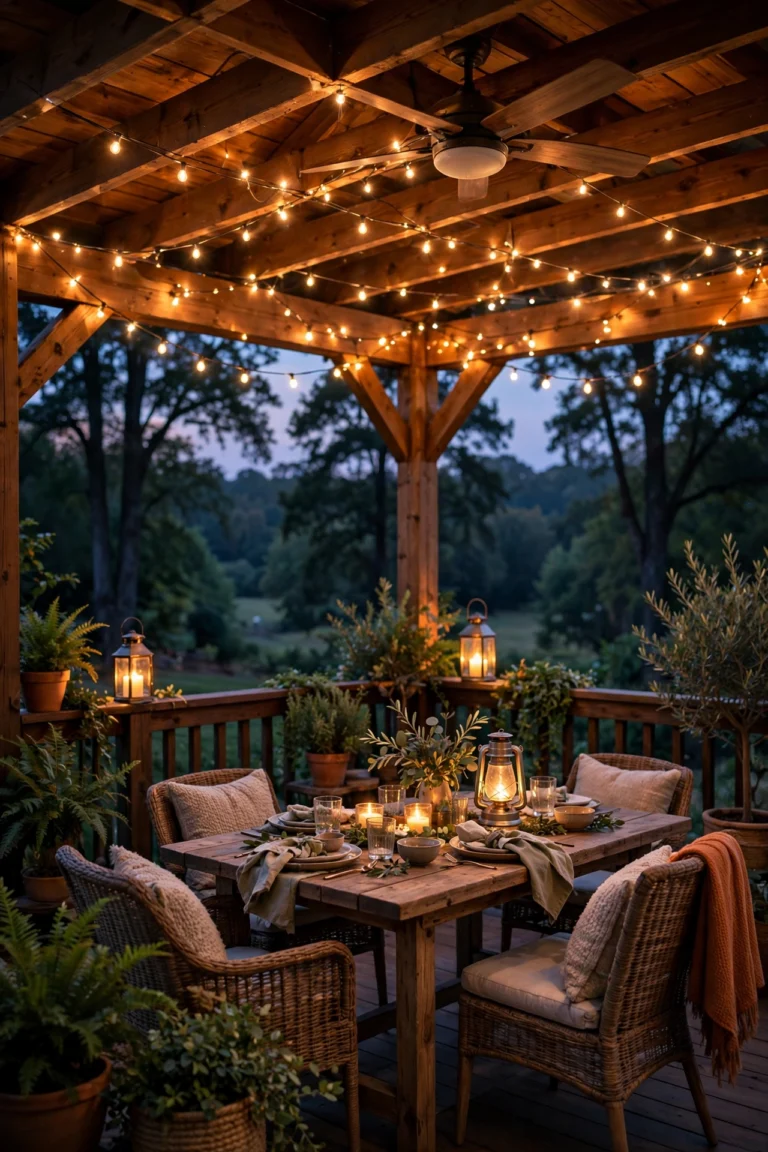
Best Decking Material for Tennessee Weather
East Tennessee Weather Is Rough on Decks
Anyone who has spent a summer in Knoxville knows the drill. Blazing heat and humidity from June through September, heavy downpours that show up out of nowhere, and then winter brings freeze and thaw cycles that pry at every board and fastener. Add in the pollen season and the shade from all our trees, which keeps decks damp and grows mildew fast, and you have one of the tougher climates in the country for an outdoor structure.
That is why the material you pick matters more here than it does in drier parts of the country. Here is how the common options actually hold up.

Pressure-Treated Wood: Cheap Up Front, Hungry for Maintenance
Pressure-treated pine is still the most common deck material in East Tennessee, mostly because it costs the least to install. It does the job, but our humidity is hard on it. Boards cup, twist, and check as they soak up moisture and dry out again. You will get splinters over time, and it needs a fresh coat of stain or sealer about every two to three years to keep from graying and soaking up water.
If you go this route, budget for maintenance from day one. A wood deck you ignore for five years in Knoxville will look twenty years old.

Cedar: Prettier, Still Thirsty
Cedar looks better than treated pine and resists rot and insects a bit more naturally. But it is still wood, and it still drinks in our humidity. It needs staining on roughly the same schedule as treated pine, and it costs noticeably more. Most of our clients who pick cedar do it for the look, not because it lasts longer here.
Composite Decking: Built for This Climate
Composite boards (brands like Trex and TimberTech) are basically wood fiber wrapped in plastic, and they handle Tennessee weather better than any natural wood. They do not rot, they do not splinter, and mildew washes off instead of soaking in. You never stain them. A soap-and-water wash once or twice a year is the whole maintenance plan.
Two honest downsides. First, it costs more up front, usually quite a bit more than treated pine. Second, darker colors get hot under bare feet in direct July sun. If your deck faces south or west with no shade, pick a lighter color. You can read more about the trade-offs on our composite deck page and our composite vs. wood comparison.
PVC Decking: The Top Tier
PVC decking is fully synthetic, so moisture simply does not affect it. It is the most expensive option, but it is also the closest thing to a deck you never think about again. For most Knoxville homeowners it is more than they need, but if you want maximum lifespan with zero upkeep, it is worth knowing about.
So What Would We Build With?
It depends on your yard and your budget:
- Tight budget, and you will keep up with staining: pressure-treated pine is fine.
- You want the wood look without the chores: composite in a lighter color.
- Full sun, and you hate maintenance: composite or PVC, light colors only.
- Covered or mostly shaded deck: wood lasts much longer here because it stays drier, so cedar or treated pine becomes a better value.
The cheapest deck is rarely the cheapest over fifteen years. A treated pine deck that needs restaining five times costs more in the long run than composite you wash with a hose. If you want help picking for your specific yard anywhere in the Knoxville area, get a free on-site estimate and we will talk through it in person.
Common Questions About Decking Materials in East Tennessee
What is the best decking material for Tennessee weather?
For our humidity and freeze-thaw cycles, composite or PVC decking holds up best. They do not rot, splinter, or soak up moisture. Pressure-treated wood works too, but only if you stay on top of staining every two to three years.
How long does a pressure-treated deck last in East Tennessee?
About 10 to 15 years with regular maintenance. Our humidity shortens its life compared to drier climates, and a deck that never gets restained will look twenty years old in five.
Does composite decking get hot in Knoxville summers?
Dark colors do, especially on south or west-facing decks with no shade. If your deck gets full afternoon sun, pick a lighter color and it stays comfortable under bare feet.